



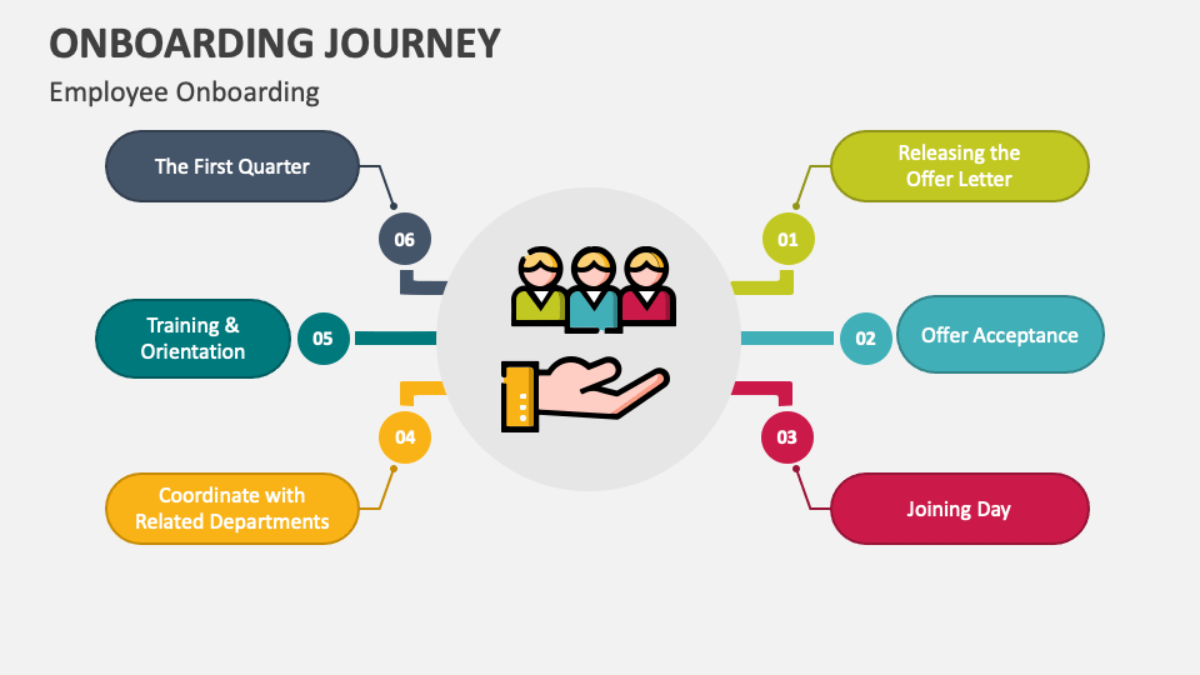

The High Cost of Traditional Onboarding
First impressions matter, especially in the highly competitive corporate world. Statistically, up to 20% of new hires resign within their first 45 days of employment. The primary culprit? A disorganized, overwhelming, or utterly boring onboarding process. For decades, the standard corporate induction involved locking new employees in a windowless conference room for three days, bombarding them with dense PowerPoint presentations, HR compliance manuals, and historical company timelines. By the time they reached their desk, cognitive overload had set in, and most of the information was instantly forgotten.
Modern organizations are finally realizing that onboarding is not an event; it is a continuous journey. The integration of advanced Learning Management Systems (LMS) and e-learning pedagogies is fundamentally transforming how companies welcome, train, and retain their top talent.
The Shift to Structured E-Learning Pathways

Instead of a 72-hour sprint, forward-thinking HR departments are stretching the onboarding process over the first 90 days, utilizing self-paced digital modules. Before the employee even steps foot in the office (or logs into their first remote meeting), they receive a welcoming digital package. This pre-boarding phase might include a high-production video from the CEO, a virtual 360-degree tour of the office, and interactive modules to complete basic HR paperwork.
Once they start, the learning is chunked. Rather than a two-hour lecture on cybersecurity, the employee receives a five-minute interactive quiz on spotting phishing emails. A week later, they complete a branching scenario simulation on workplace ethics. This method, known as spaced repetition, drastically increases knowledge retention and prevents the new hire from feeling overwhelmed during their crucial first weeks.
"Companies with a standardized, digital-first onboarding process experience 50% greater new-hire productivity and significantly lower turnover rates in the first year."
Gamification: Making Compliance Fun
Let’s be honest: no one enjoys reading data privacy compliance documents. To combat this necessary evil, companies are turning to gamification. By adding points, progress bars, and digital badges to LMS portals, HR teams are turning dry material into engaging challenges. An employee might earn the "Data Defender" badge after passing their GDPR module, which is then displayed on their internal corporate profile. This taps into the basic human psychological need for progression and recognition.
Mentorship and Social Integration
A digital-first onboarding strategy does not mean eliminating human contact. In fact, it does the opposite. By automating the delivery of standard information (like how to use the phone system or file an expense report), managers and mentors are freed up to spend high-quality, face-to-face time with the new hire. They can focus on cultural integration, strategic goal setting, and building emotional rapport.
In conclusion, the evolution of corporate onboarding from a static seminar to a dynamic, digital, and continuous e-learning journey is a vital strategy for any business looking to survive in the modern talent war. It respects the employee's cognitive limits, accelerates their time-to-productivity, and builds a foundation of long-term loyalty.
Leave your comment