




The Rise of the Screen-Free Classroom
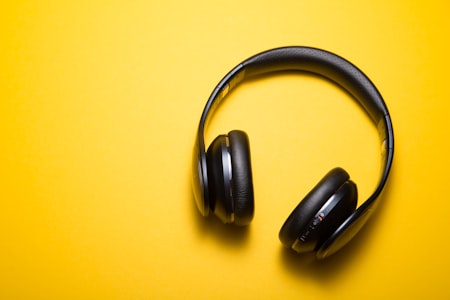
In an era where our work, socializing, and education all occur on glowing rectangles, "Zoom fatigue" has become a recognized psychological phenomenon. Learners are desperately seeking ways to absorb information without being tethered to a desk. We sat down with Dr. Aris Thorne, an expert in auditory cognition, to discuss why educational podcasting is the perfect antidote.
Q: Why does audio learning feel less exhausting than video?
Dr. Thorne: "Video forces the brain into a state of hyper-focus on artificial eye contact and micro-expressions, which is biologically draining. Audio is intimate but passive. It allows the visual cortex to rest while the auditory processing centers build imaginative frameworks. It’s less cognitive friction."
Q: Can students really retain complex information while multitasking?
Dr. Thorne: "Yes, provided the physical task is automated. Walking, folding laundry, or commuting require very little active cognition. Combining these with a lecture podcast actually increases dopamine flow, locking the auditory information into long-term memory more effectively than sitting perfectly still in a chair."
By integrating audio-only modules into e-learning courses, educators respect the visual limits of their students and seamlessly integrate learning into the natural rhythm of their daily lives.
Leave your comment