




The Problem with Traditional Lectures
For centuries, the educational timeline has been strictly linear: the teacher delivers a lecture during class time, and the student goes home to practice applying that knowledge through homework. This traditional model has a glaring flaw. It uses precious, face-to-face classroom time for passive listening—something a student could easily do alone. Conversely, it forces the student to do the hardest part of learning (application, problem-solving, and critical thinking) at home, completely isolated from their teacher's guidance.
The "Flipped Classroom" model radically inverts this dynamic. Leveraging modern video technology and Learning Management Systems (LMS), educators assign recorded lectures, podcasts, or reading materials as homework. When students arrive in the classroom, they have already absorbed the foundational theory. The classroom is then transformed into an active, collaborative workshop.
From "Sage on the Stage" to "Guide on the Side"
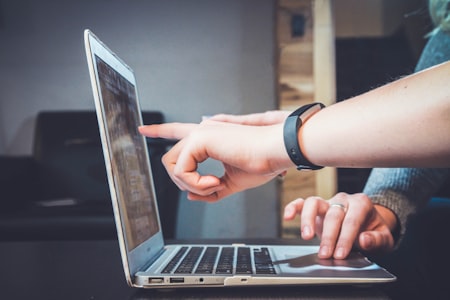
This paradigm shift profoundly changes the role of the educator. Instead of standing at a whiteboard delivering a monologue, the teacher moves around the room. They facilitate group debates, assist with complex chemistry experiments, or provide one-on-one help to a student struggling with an algebra equation. The struggle happens where it is supposed to happen: right in front of the expert.
Furthermore, the flipped model allows for self-paced learning. In a traditional lecture, if a student misses a concept, they fall behind immediately. With video lectures at home, a student can pause, rewind, and re-watch complex sections as many times as they need without feeling embarrassed. Fast learners can breeze through the video and come to class ready for advanced application.
Conclusion
The flipped classroom is not just a technological trick; it is a profound pedagogical upgrade. By optimizing how time is spent, educators can restore the mentorship and human connection that is the true core of teaching.
Leave your comment