



The Shift in Attention Spans

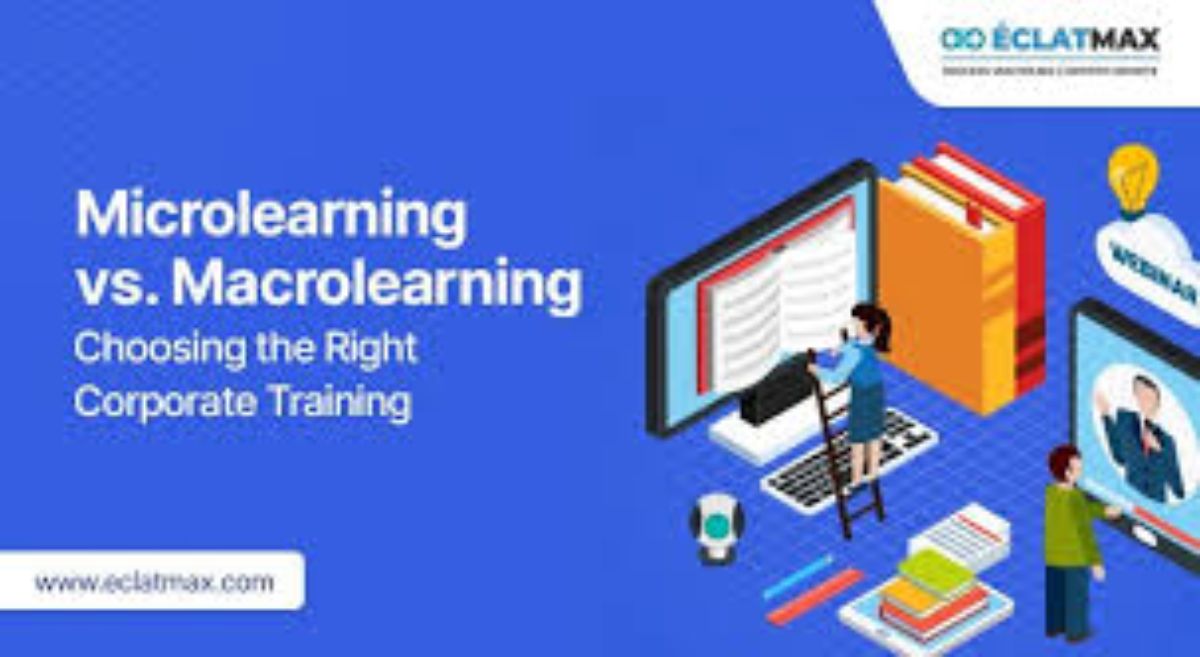
For decades, corporate training relied almost exclusively on macrolearning: day-long seminars, extensive workshops, and multi-week certification courses. While these methods are excellent for deep skill acquisition, they often clash with the realities of the modern workplace. Today’s professionals are overwhelmed with emails, meetings, and tight deadlines. Finding an uninterrupted hour for training is a luxury. This friction has given rise to microlearning—bite-sized, highly focused educational modules designed to be consumed in five minutes or less.
Microlearning aligns perfectly with the brain’s natural cognitive load limits. Instead of drinking from a firehose of information, employees receive targeted bursts of knowledge exactly when they need them. However, it is a mistake to view microlearning as a complete replacement for macrolearning. The future of effective corporate education lies in understanding the distinct purposes of both and blending them seamlessly.
When to Use Macro vs. Micro

Macrolearning is foundational. You cannot teach a completely new programming language or instil a company-wide leadership philosophy via three-minute videos. Macrolearning is necessary for teaching complex, entirely new concepts that require deep focus, context, and guided practice. It creates the broad mental framework.
Microlearning, on the other hand, is the ultimate tool for reinforcement and "just-in-time" support. Once the foundation is built via a macro course, microlearning steps in to combat the forgetting curve. An employee might attend a two-day seminar on a new CRM software (macro), but they will use a two-minute interactive video (micro) a month later to remember how to generate a specific sales report. By using macro to teach the "why" and micro to support the "how," organizations can drastically improve long-term retention and daily productivity.
Conclusion
Stop debating which method is better. The most robust Learning and Development (L&D) strategies deploy macrolearning for deep competency building and microlearning for daily performance support, creating a continuous, frictionless learning ecosystem.
Leave your comment