



Imagine a brilliant young mind living in a remote rural village. High-speed broadband does not reach her home. A thousand-
dollar laptop is a financial impossibility. Ten years ago, her educational journey would have hit an impenetrable wall. Today, however, a $50 smartphone is all she needs to access the collective knowledge of humanity.
The Ubiquity of M-Learning
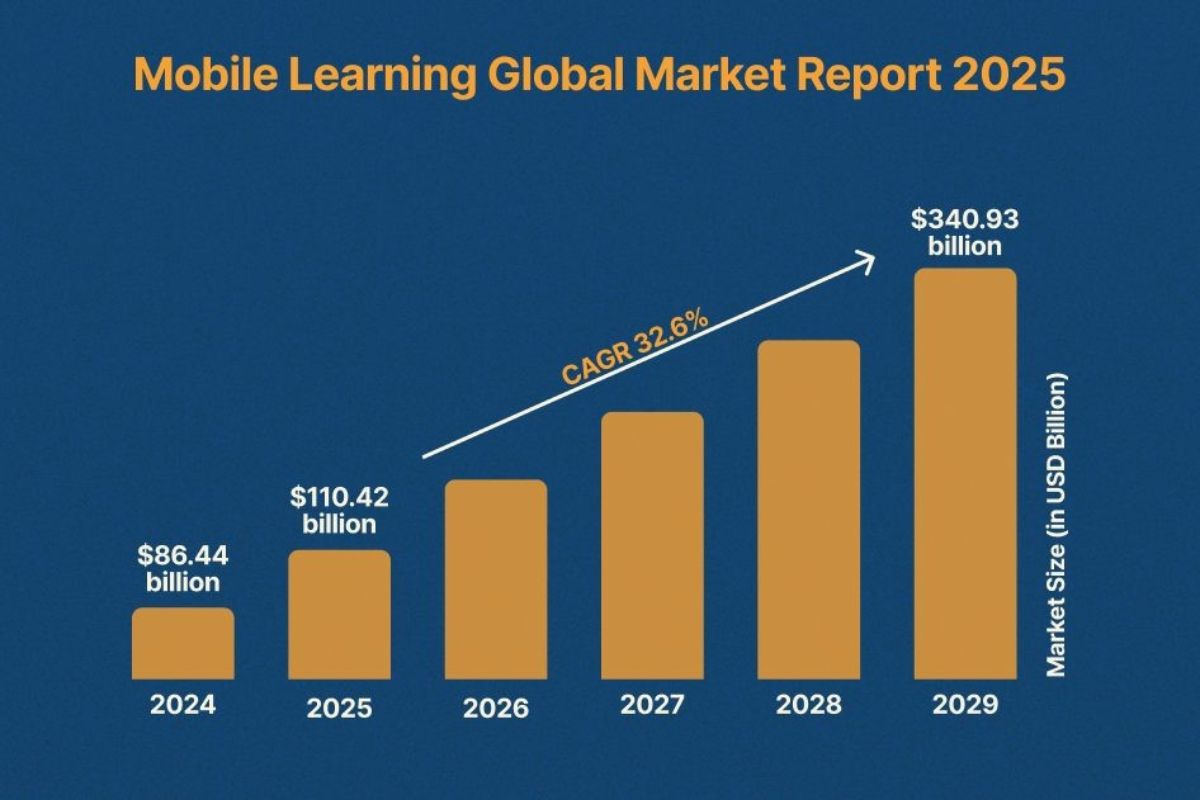
While laptops dominate classrooms in the West, smartphone penetration is globally ubiquitous. This reality has sparked the "Mobile-First" education movement (M-learning). Designing educational content specifically for small screens and low-bandwidth cellular connections is democratizing access to education on an unprecedented scale.
Designing for Offline Resilience
A successful mobile-first strategy involves more than just shrinking a website so it fits on a phone. It requires designing micro-interactions—tap-friendly quizzes, swipeable flashcards, and audio-based lessons. Crucially, these applications must offer offline capabilities. A student must be able to download a week's worth of lessons while at an internet cafe, and then complete those interactive modules offline at home without consuming expensive cellular data.
Mobile-first education is not a secondary alternative; for billions of people, it is the primary and only gateway to upward socioeconomic mobility.
Leave your comment