




The Hidden Patterns of Student Failure
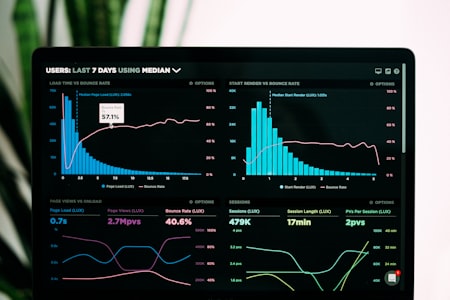
Higher education has a massive retention problem. Millions of students enroll globally every year, only to drop out before graduation, burdened by debt and lacking a degree. Historically, universities only knew a student was failing *after* they bombed midterms. By then, it is often too late to intervene. Predictive analytics is changing this tragic paradigm by allowing institutions to look into the future.
How Predictive Models Work
Modern Learning Management Systems (LMS) collect millions of data points: how often a student logs in, whether they download the syllabus, how long they take to read a digital text, and even their cafeteria swipe habits. Machine learning algorithms digest this massive data set and compare it against historical trends of successful and unsuccessful students.

The system creates a "Risk Score" for every individual. If a freshman stops checking the online forum on Thursdays and misses one minor assignment, the professor might not notice. But the algorithm recognizes this specific behavioral pattern as a 85% predictor of dropping out within three months.
Proactive Compassion
This is not about surveillance; it is about proactive compassion. When the AI flags a student in the "red zone," an academic advisor receives an alert. The advisor can then reach out via text or invite the student for coffee, offering tutoring or mental health resources before the student even realizes they are in a downward spiral.
The Ethical Consideration: As we rely on algorithms, universities must remain vigilant against baked-in biases. Data must be used strictly for intervention, never for punitive measures. When balanced with human empathy, predictive analytics is the most powerful tool we have to ensure every student crosses the graduation stage.
Leave your comment