



The Sage on the Stage is Dead
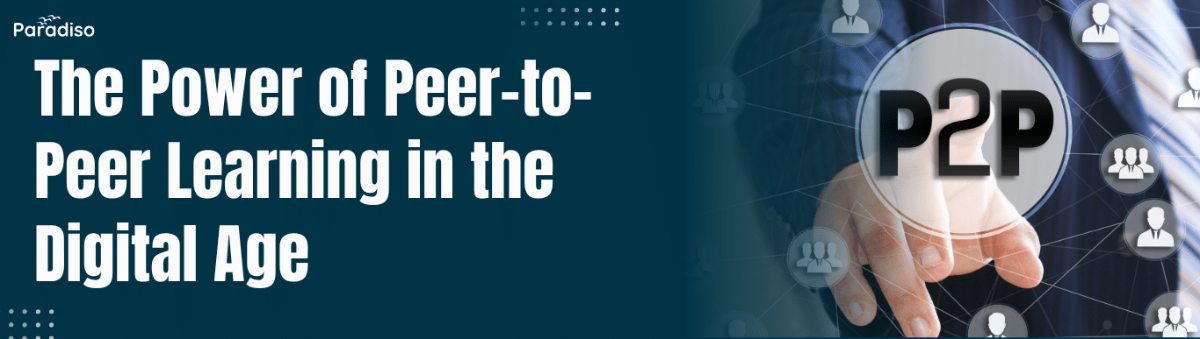
For centuries, the architecture of education has been rigidly hierarchical. A single expert (the professor or teacher) stands at the front of the room, holding all the knowledge, and dispenses it to a silent audience of students. This top-down model is efficient for broadcasting information, but it is incredibly poor at fostering deep, critical understanding. As education moves into digital spaces, a more democratic, networked approach is proving to be vastly superior: Peer-to-Peer (P2P) learning.
P2P learning is based on the premise that students often learn better from each other than from an authority figure. When a student struggles with a complex physics concept, a professor who has understood that concept for thirty years might suffer from the "curse of knowledge"—an inability to remember what it feels like to not understand the basics. A fellow student, however, who just figured out the concept yesterday, speaks the exact same cognitive language as the struggling peer and can explain it without intimidating jargon.
The Feynman Technique in Digital Spaces
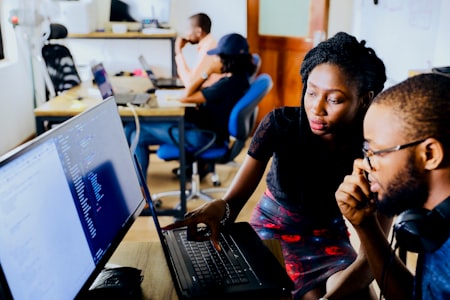
Nobel Prize-winning physicist Richard Feynman famously championed the idea that the true test of knowledge is the ability to teach it to someone else. Digital platforms are now hardwiring the Feynman Technique into their curricula. Instead of simply submitting an essay to a professor, students are required to conduct peer reviews.
When a student evaluates three of their classmates' assignments, they must actively engage with different perspectives, identify logical flaws, and articulate constructive feedback. This active evaluation process forces a much deeper level of cognitive processing than passively receiving a grade from a teacher.
Four Pillars of Successful P2P Networks:
- Decentralized Forums: Providing digital spaces (like Discord servers or dedicated LMS boards) where students can ask questions without faculty intervention.
- Accountability Structures: Ensuring that peer reviews are double-blind and graded for the quality of feedback provided, not just the original work.
- Collaborative Projects: Utilizing tools like Google Workspace or Figma where students must co-create a single artifact, forcing real-time negotiation and knowledge sharing.
- Mentorship Tiers: Allowing second-year students to act as digital TAs for first-year students, building a sustainable ecosystem of continuous guidance.
Conclusion
Educational institutions that continue to rely solely on the "expert-to-novice" broadcast model will see their engagement rates plummet. By decentralizing the classroom and turning every learner into both a student and a teacher, EdTech can build resilient, highly engaged, and deeply collaborative digital communities.
Leave your comment