



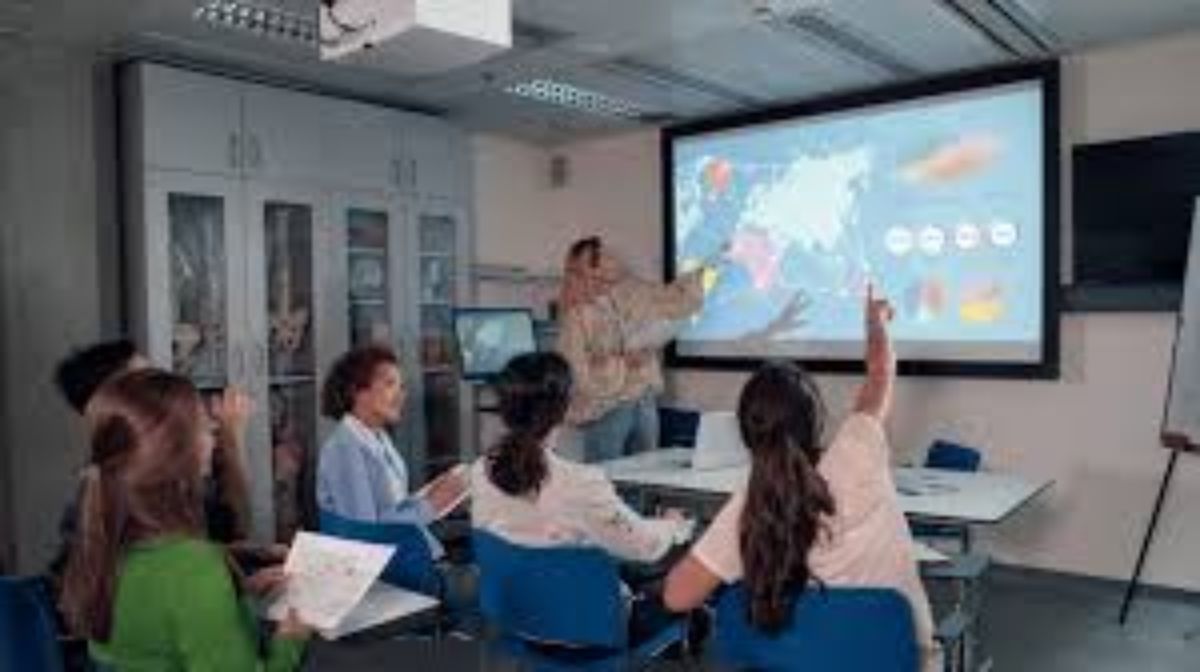
The Dawn of a New Educational Era
The traditional classroom model, characterized by rows of desks facing a single instructor, is rapidly becoming a relic of the past. In its place, a dynamic, interactive, and technology-driven environment is emerging. This transformation is not merely about replacing physical textbooks with tablets; it is a fundamental shift in pedagogical philosophy. Educational Technology (EdTech) is now serving as the ultimate catalyst for personalized learning, enabling educators to cater to the unique needs, pacing, and learning styles of every individual student.
Recent studies have shown that when technology is integrated thoughtfully into the curriculum, student engagement skyrockets. Interactive whiteboards, collaborative cloud-based documents, and instant polling tools transform students from passive recipients of information into active participants in their educational journey. However, the true magic happens when educators combine these digital tools with strong, evidence-based pedagogical strategies.
Bridging the Gap Between Hardware and Learning

One of the biggest pitfalls in modern education is the assumption that providing hardware automatically leads to better learning outcomes. A laptop is just a tool; it is the software and the teaching methodology that drive results. Adaptive learning platforms are currently at the forefront of this revolution. These sophisticated software systems use artificial intelligence to analyze a student's real-time performance, automatically adjusting the difficulty of questions and providing targeted resources to address specific knowledge gaps.
Furthermore, EdTech empowers teachers to move away from the "one-size-fits-all" lecture model. Through flipped classrooms—where students consume instructional content at home via video and use class time for collaborative problem-solving—educators can spend more one-on-one time mentoring students who are struggling, while allowing advanced students to tackle more complex projects.
The Future is Blended
As we look to the future, the most successful educational institutions will be those that master the blended learning environment. By maintaining the invaluable human connection of face-to-face teaching while leveraging the limitless possibilities of digital tools, we can create an educational ecosystem that is inclusive, effective, and profoundly engaging.
Leave your comment